


Hong Kong, Chinese Mainland, and Internationally Leading Experts Advance Co-created Assistive Robotics for Aging in Place
25 Aug 2026
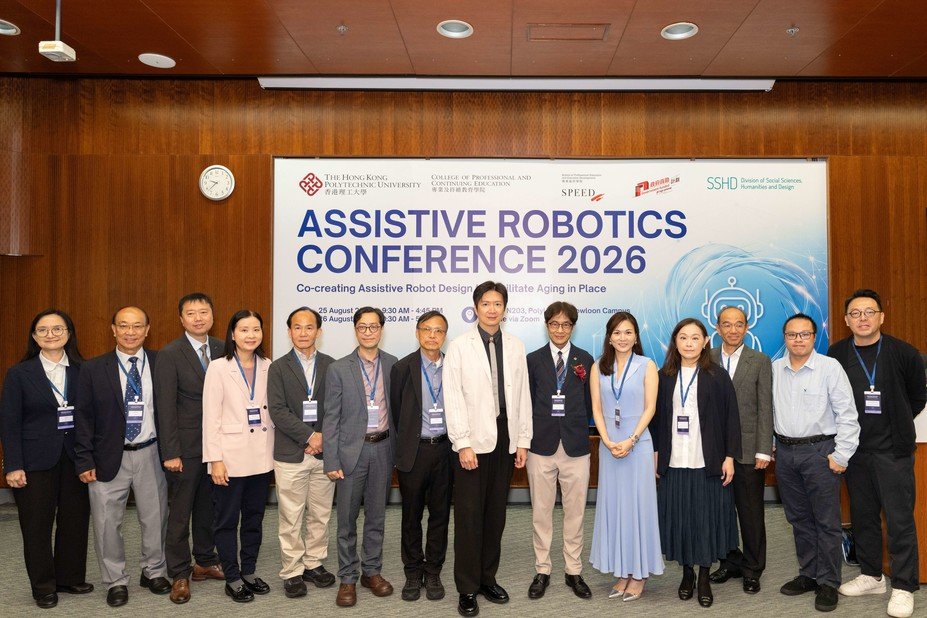
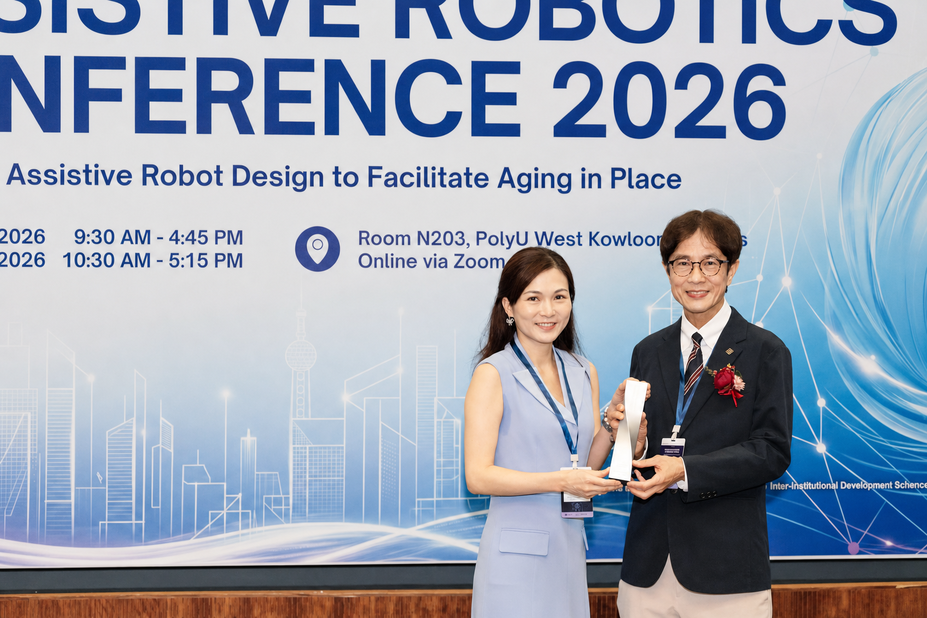
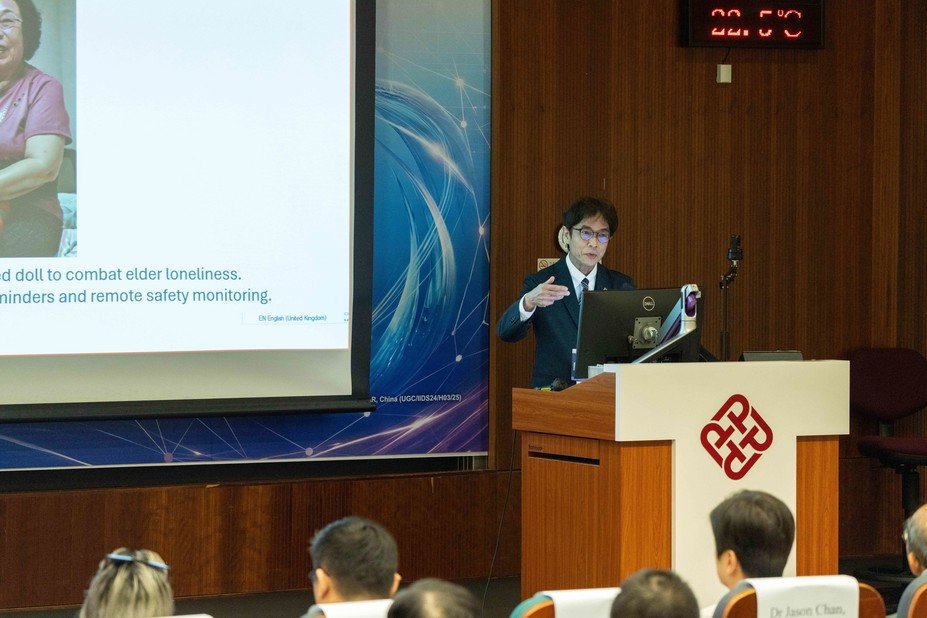
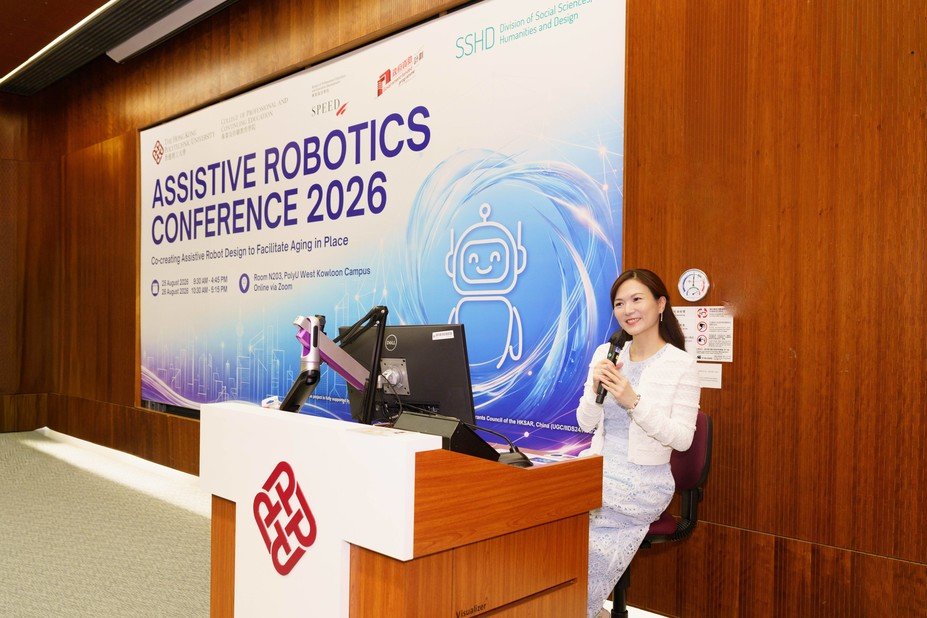
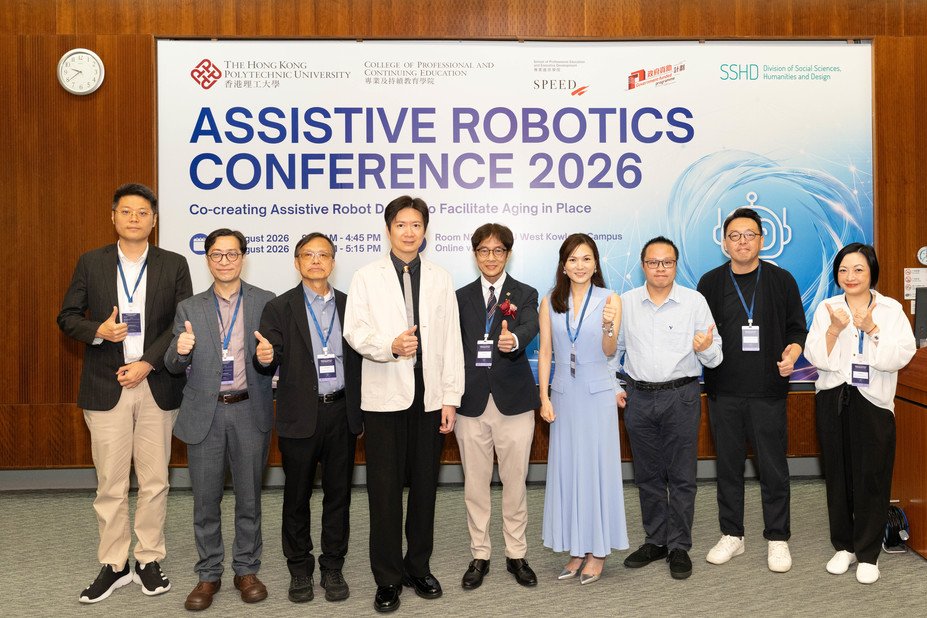
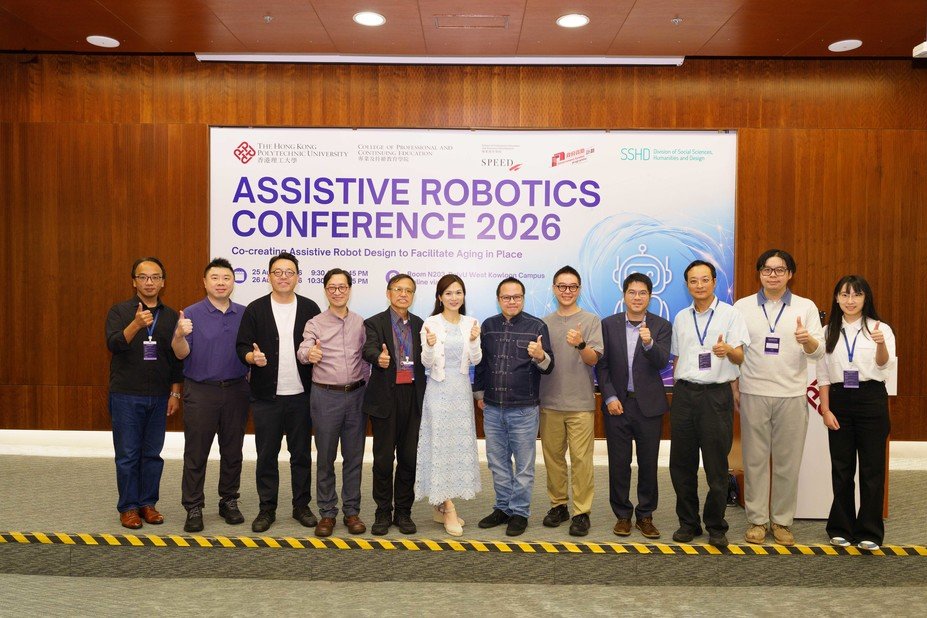
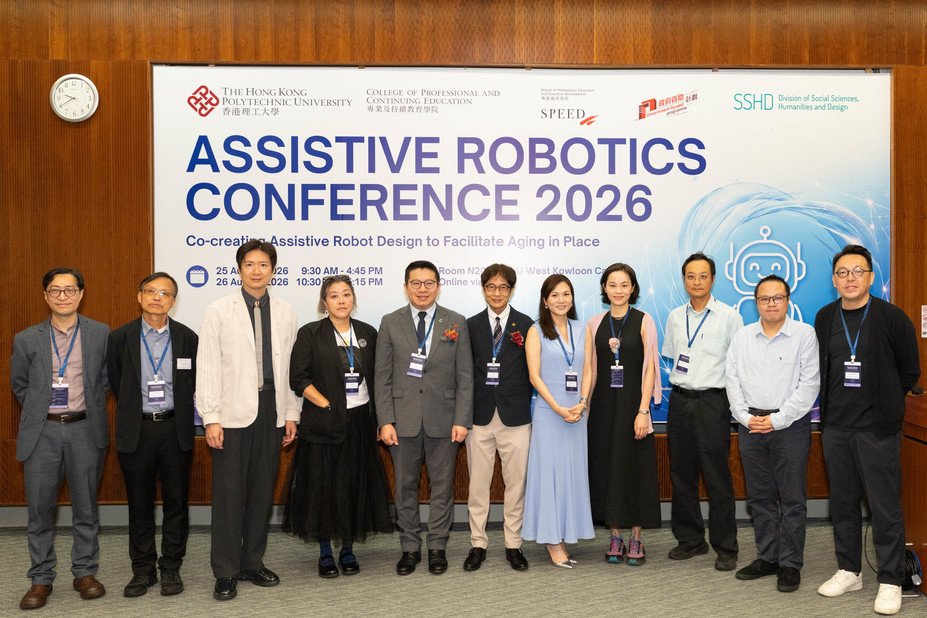
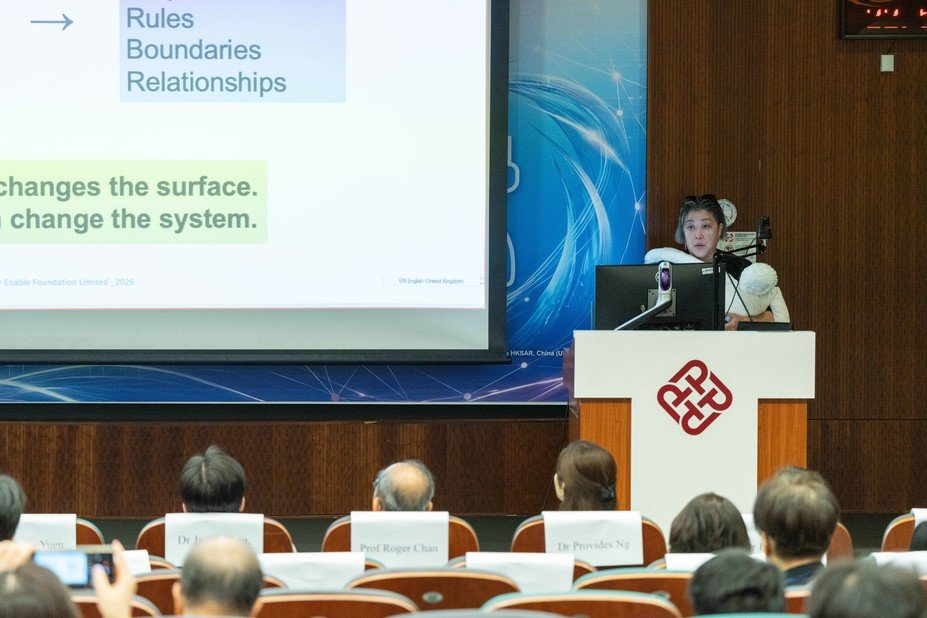
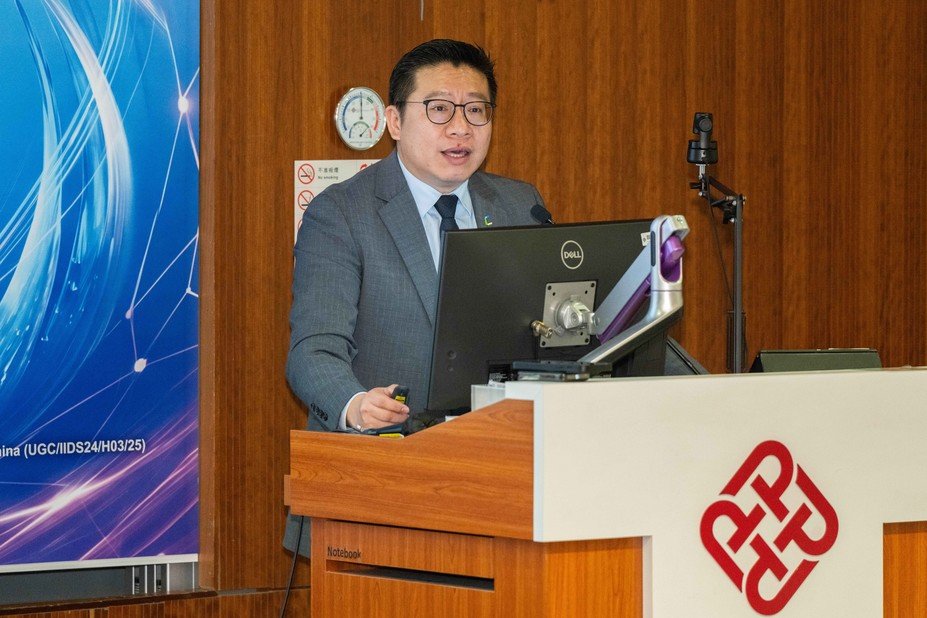
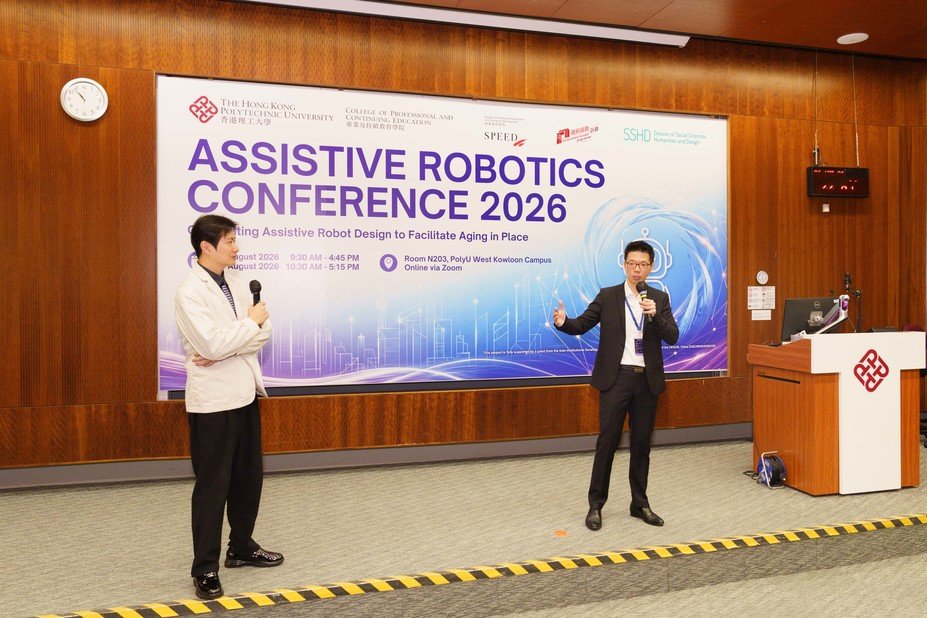
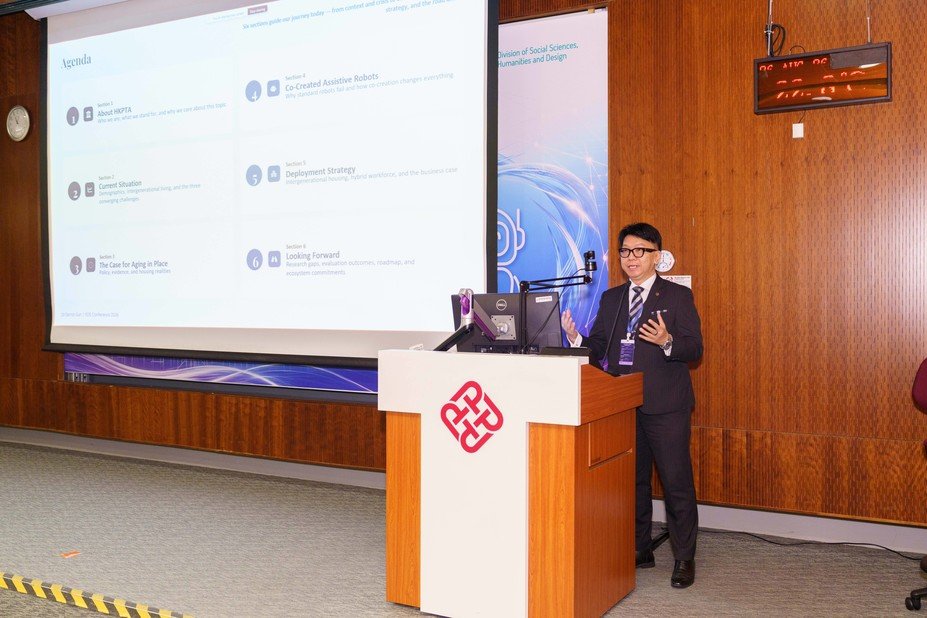
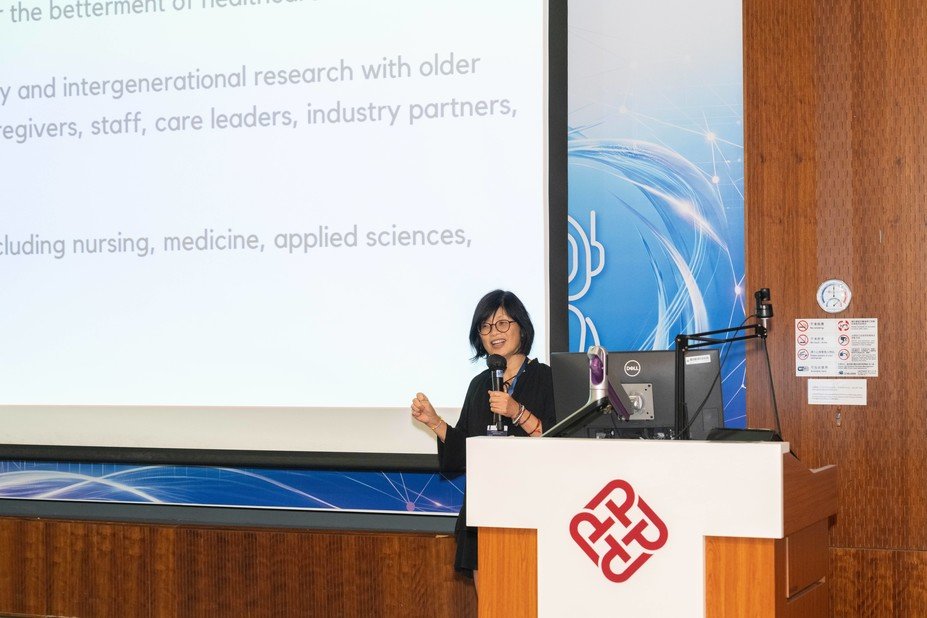
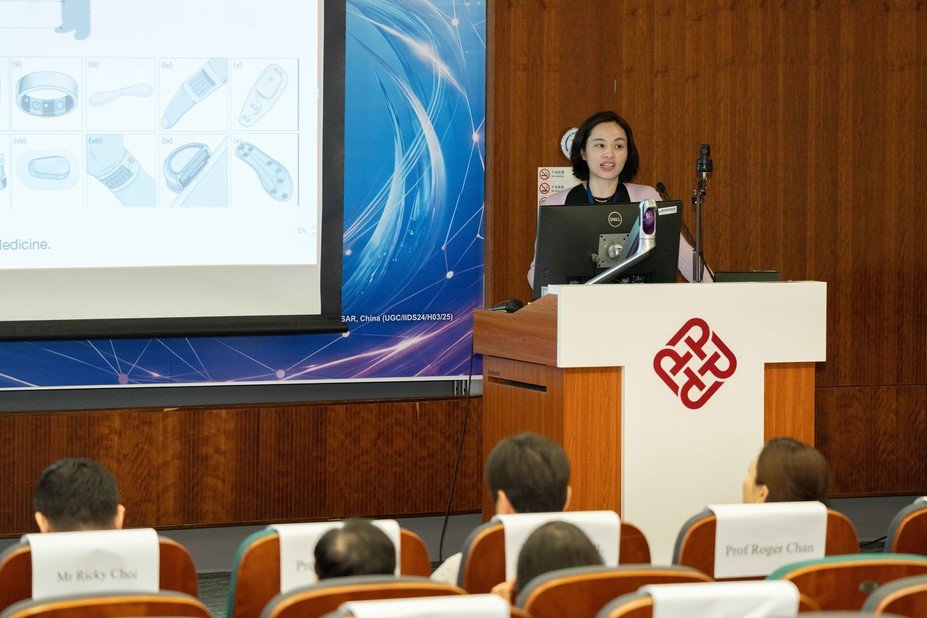
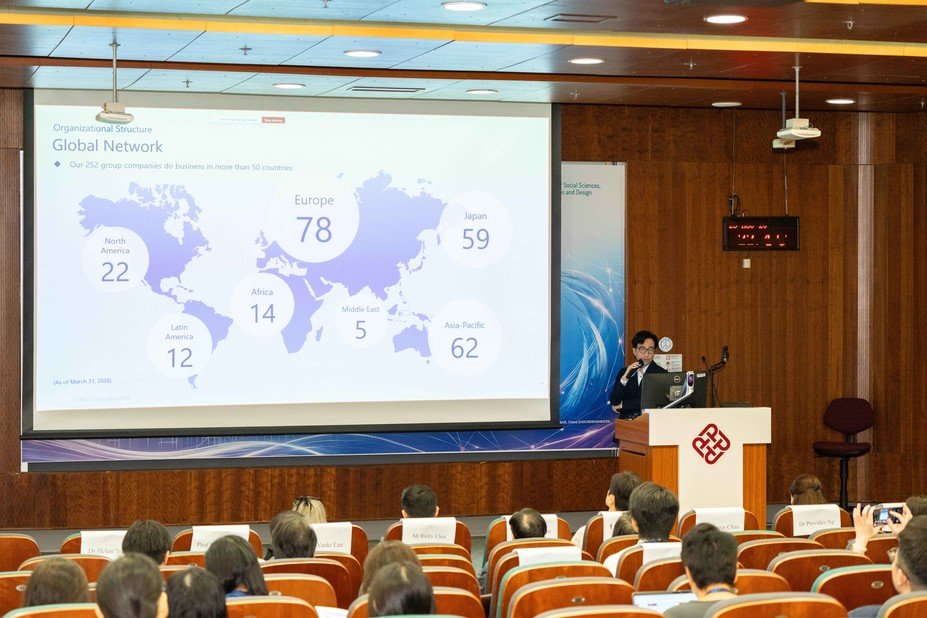
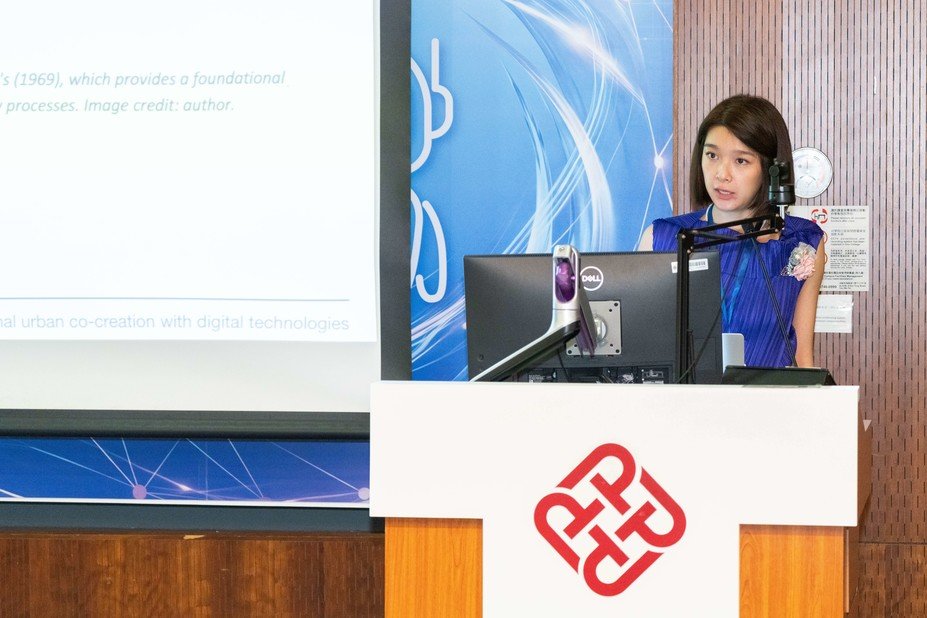
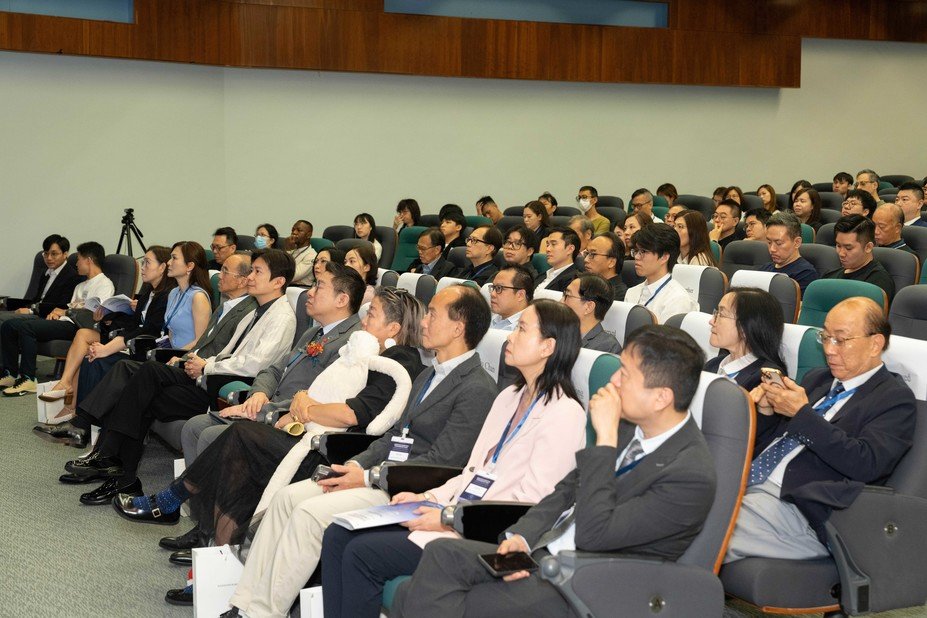
The Research Grants Council-funded Assistive Robotics Conference 2026, held on 25–26 August 2026, was a well-received international conference that brought together leading scholars, practitioners, industry experts, and innovators to explore how assistive robots and digital technologies can enable older adults age safely, independently, and with dignity in their homes and communities.
Under the theme, “Co-Creating Assistive Robot Design to Facilitate Aging in Place,” the Conference offered a thought-provoking and inspiring platform for interdisciplinary exchange. It advanced a clear and timely principle: assistive technologies must be designed with, rather than merely for, older adults and caregivers. Their lived experiences, aspirations, needs, and values are essential to creating technologies that are trusted, inclusive, practical, and ethically grounded.
The Conference featured internationally recognised experts from Canada, the United Kingdom, Denmark, and the Netherlands, together with leading academics, researchers, practitioners, and industry representatives from Hong Kong and the Chinese Mainland. Through engaging dialogue and knowledge sharing, participants contributed global perspectives and research-led solutions to one of the most pressing challenges facing aging societies: supporting people to remain connected, autonomous, and well in the places they call home.
Discussions addressed a wide range of critical AgeTech priorities, including human-centred design, technology acceptance, well-being, smart housing, telemedicine, predictive artificial intelligence, privacy, ethics, accessibility, and public policy. A central message emerged throughout the Conference: assistive robots should strengthen, rather than substitute for, human care, relationships, and community connection.
The Conference and its post-conference workshops created valuable opportunities for knowledge exchange across academia, industry, policy, and community practice. Academics and researchers gained deeper insights into real-world advances in AgeTech, while industry participants engaged with the latest evidence and emerging research directions. These exchanges strengthened research capacity, broadened students’ learning and professional exposure, expanded international networks, and helped bridge the often-fragmented sectors of aging, care, technology, research, and public policy.
Dr Stephanie Lee, conference chair and project principal investigator, said, " By co-designing with older adults and caregivers, rather than simply designing for them, we can develop trusted, inclusive, and ethical technologies that complement human care. The Conference created meaningful exchanges between academia and industry, connected stakeholders, and generated new synergies for supporting aging in place with dignity, autonomy, and social connection."
The Conference was fully supported by the Research Grants Council of the Hong Kong Special Administrative Region, China, under the Inter-Institutional Development Scheme (UGC/IIDS24/H03/25). The organisers sincerely acknowledge the RGC’s support in making this successful interdisciplinary platform for knowledge exchange, capacity building, collaboration, and the development of meaningful synergies among academia, industry, and the community possible.