


TVET Delegation from Almaty, Kazakhstan Visits PolyU CPCE to Foster Educational Exchange
30 Sep 2026
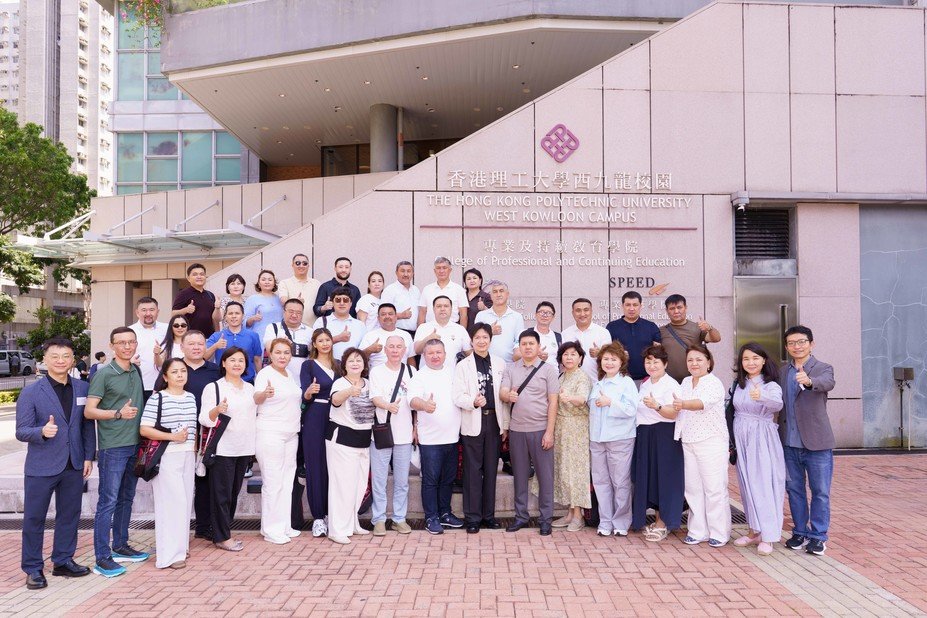
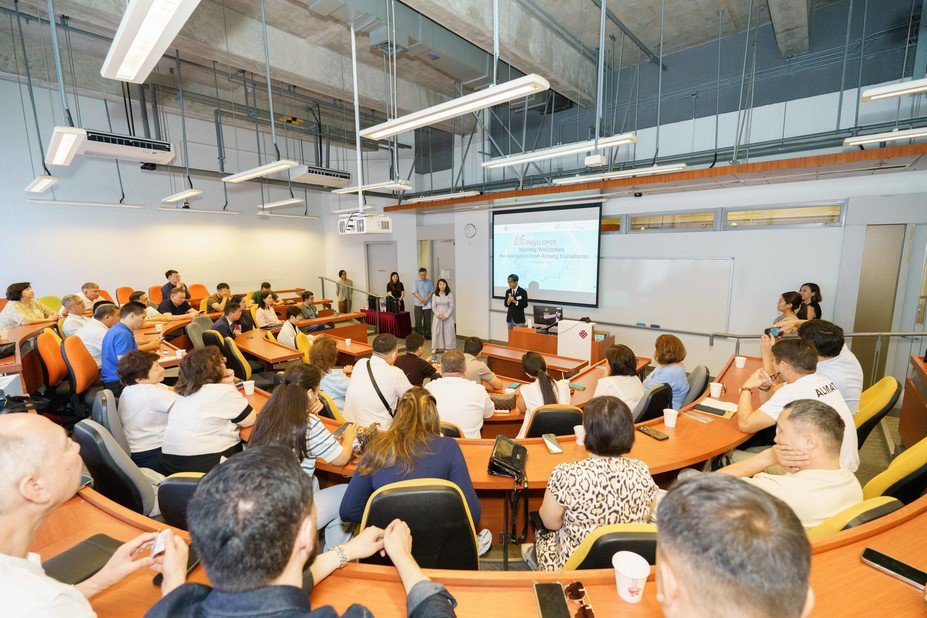
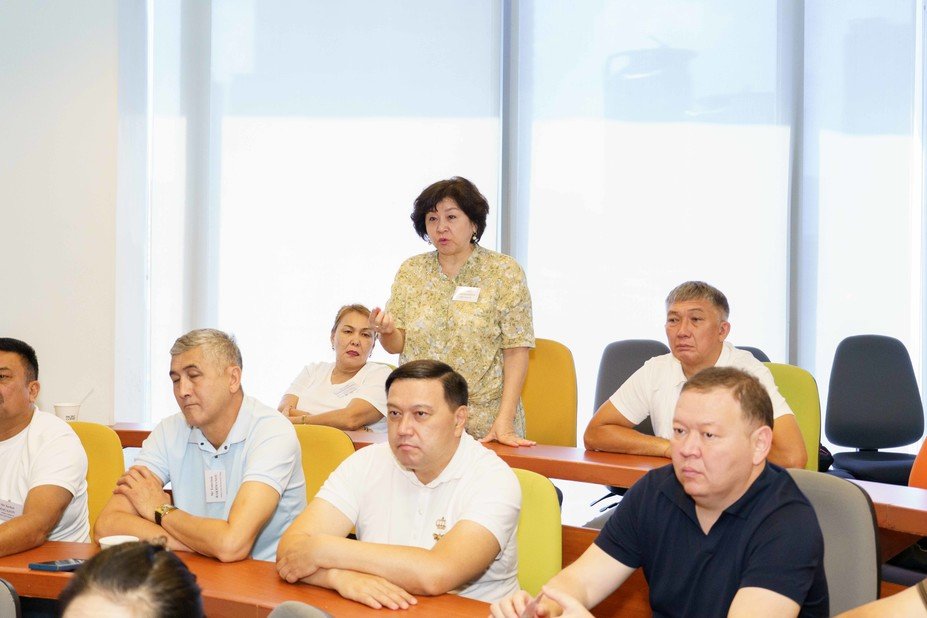
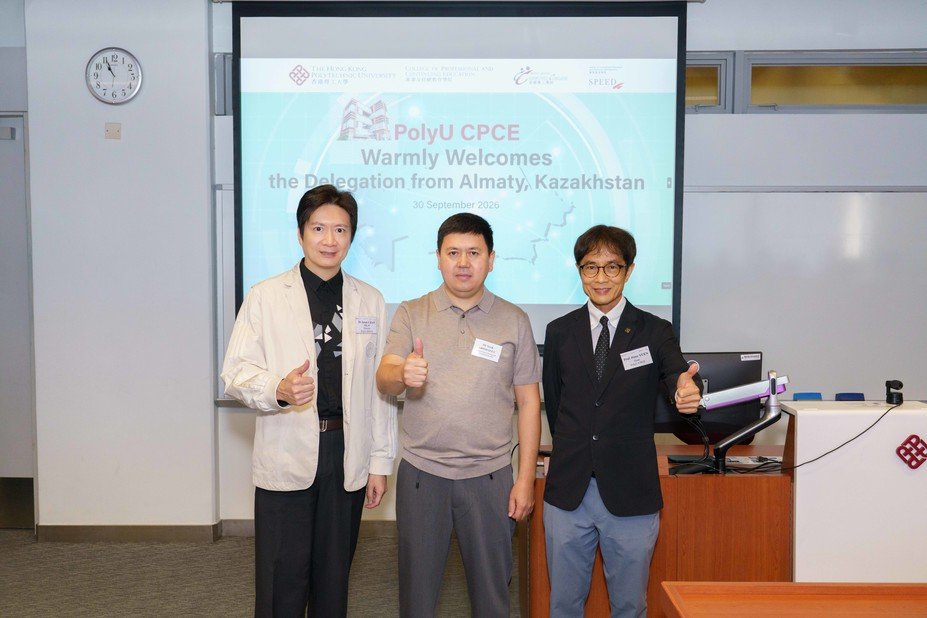
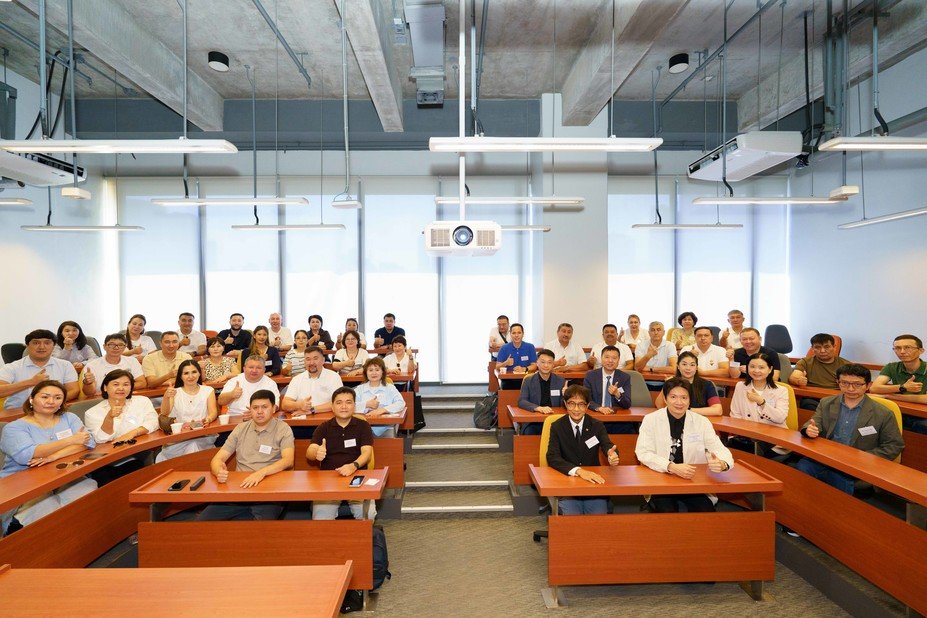
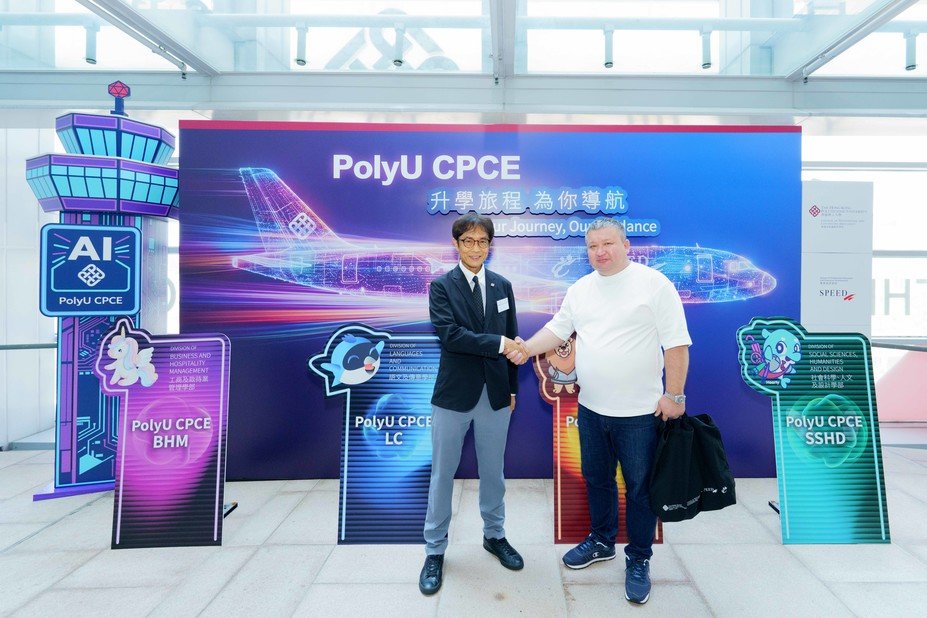
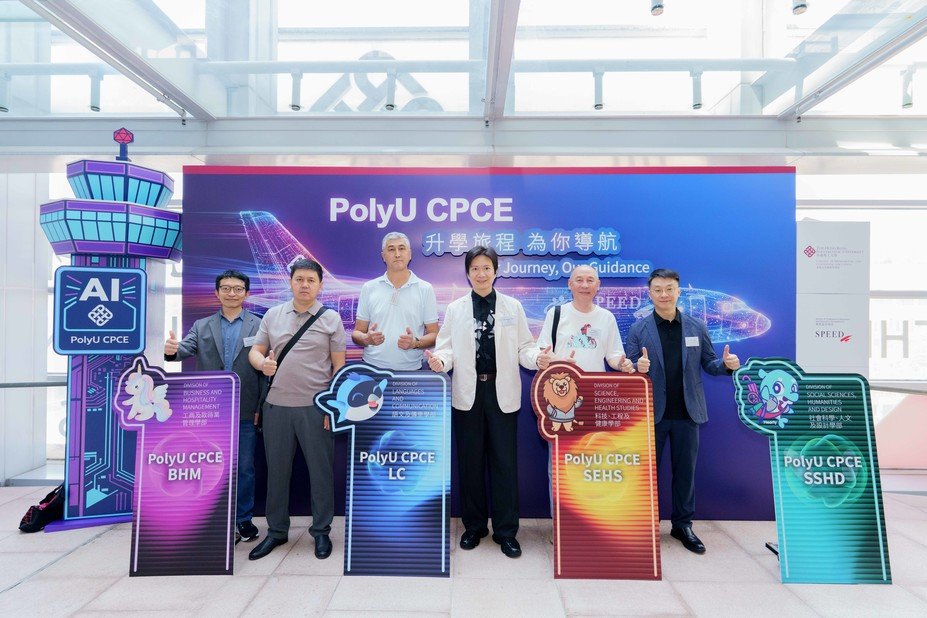

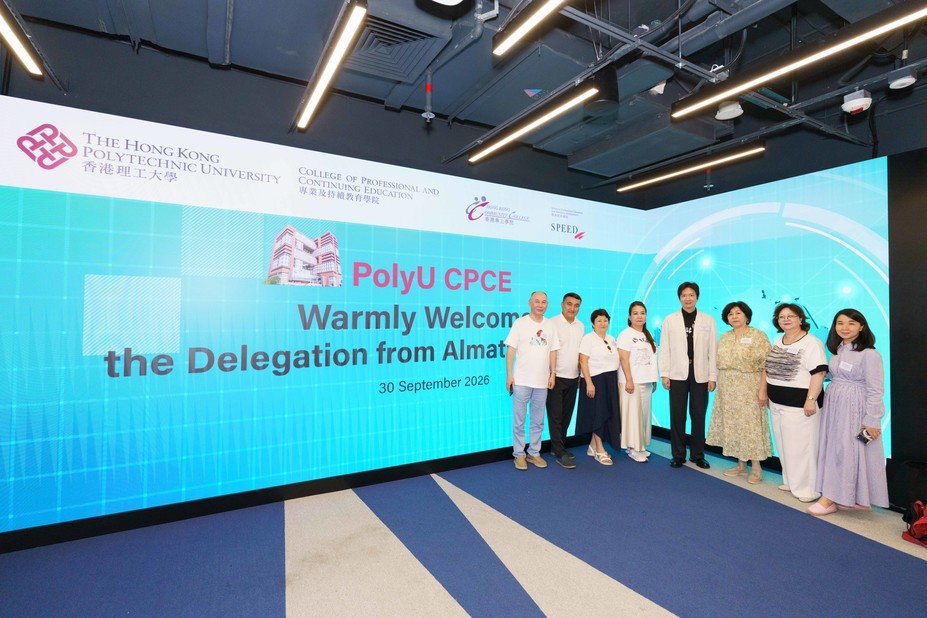
A delegation comprising more than 30 representatives from the technical and vocational education and training (TVET) sector in Almaty, Kazakhstan, led by Mr Yerik ABISHAYEV, Head of the Department of Strategy and Vocational Education, Education Department of Almaty City, visited PolyU CPCE on 30 September 2026 for an in-depth exchange on higher education development, talent cultivation and international collaboration.
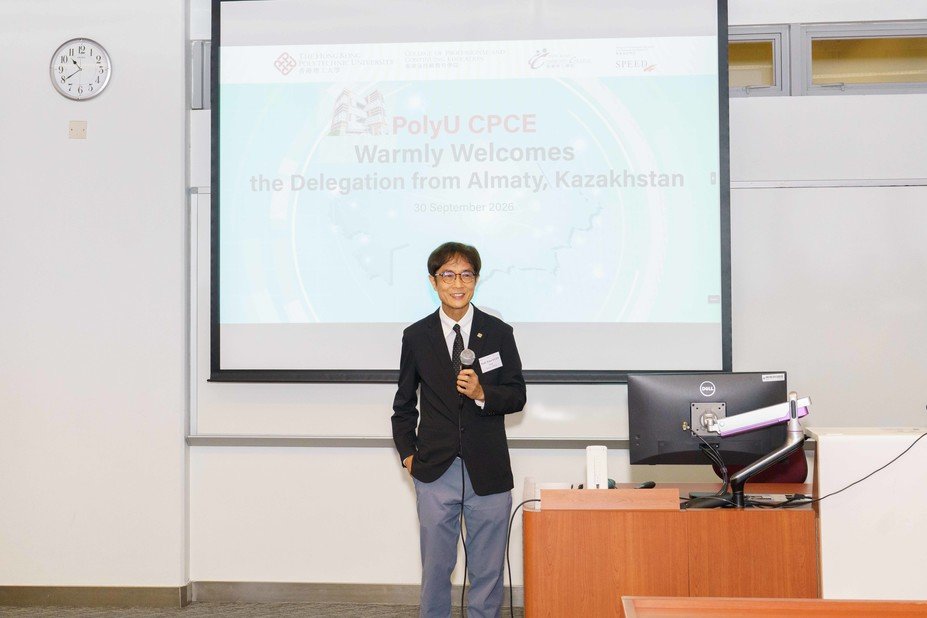
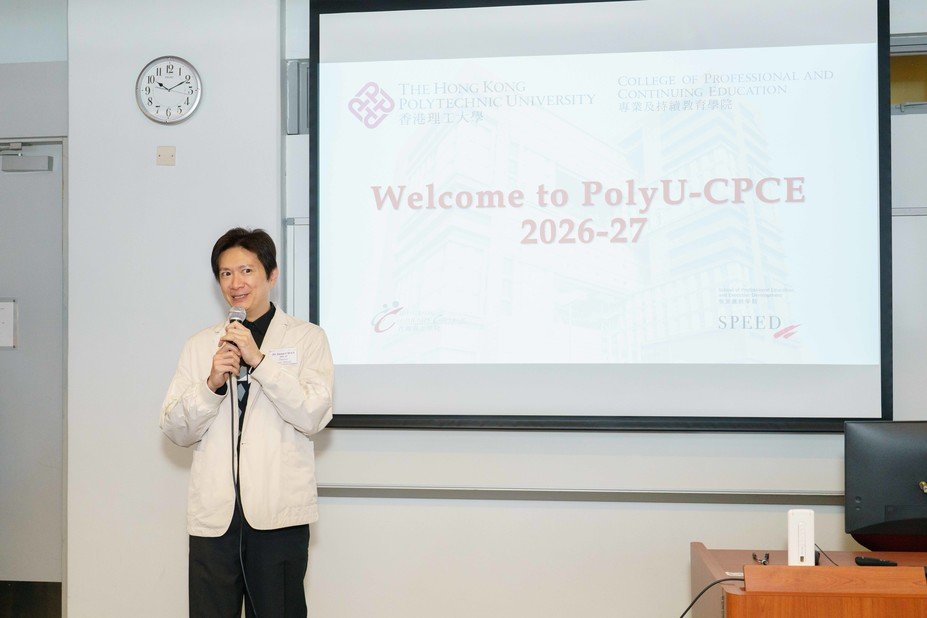
The delegation was welcomed by Dr Jason Chan, MH, JP, Director of PolyU SPEED. Prof. Peter Yuen, Dean of PolyU CPCE, introduced PolyU CPCE and the latest developments in Hong Kong's self-financing higher education sector. He also highlighted the College's diverse progression pathways, distinctive programme offerings and internationalisation initiatives, including the PolyU SPEED Belt and Road Scholarship.
The delegation showed strong interest in PolyU CPCE's sub-degree, bachelor's degree and master's degree programmes, as well as their admission requirements and progression opportunities. In particular, they were keen to learn more about the PolyU SPEED Belt and Road Scholarship and the College's "2+2+1" articulation pathway. The pathway enables students to progress from sub-degree studies to bachelor's degree programmes and subsequently to master's degree studies, exemplifying PolyU CPCE's commitment to providing multiple pathways for academic advancement and lifelong learning.
Mr ABISHAYEV subsequently shared the latest developments in vocational education and talent development in Almaty. The two sides also exchanged views on academic progression, industry collaboration and student development, enhancing mutual understanding of the education systems and vocational education development in both regions.
The visit concluded with a campus tour, during which the delegation gained first-hand insight into PolyU CPCE's teaching and learning facilities. The visit not only strengthened ties between the education sectors of the two regions but also opened up opportunities for future collaboration in talent development and educational exchange.